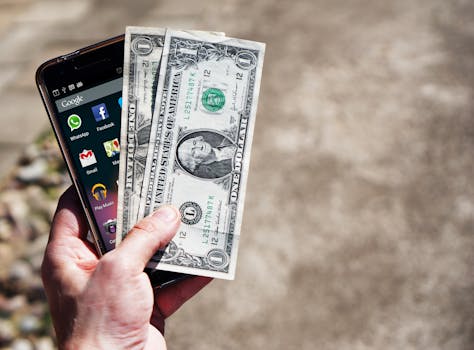
Ever noticed how paying for coffee, groceries, or even parking has gotten almost frictionless lately? Tap. Done. Digital wallet usage isn’t just about tech—it’s reshaping what we expect from money itself.
There’s a growing ease in quickly authorizing a purchase, splitting a lunch tab, or setting aside savings—all from a single device. Mobile wallets are changing not just how people transact, but how they plan and manage money day-to-day.
Curious about how everyday habits around payment and saving are evolving with digital wallet usage? Let’s explore the practical ripple effects of these tools on daily life.
Convenience Moves to the Palm: Streamlining Purchases
The fastest way to change a money habit is to remove a small hassle. Digital wallet usage eliminates steps that once slowed us down during checkout.
Suddenly, there’s no searching for cards or bills. With a fingerprint or face scan, the transaction happens almost instantly. It feels effortless because, for the shopper, it is.
Pocketing Time at Checkout
Picture this: a busy grocery store. You tap your phone at the terminal rather than sorting cash or swiping a card. The line keeps moving. That’s digital wallet usage improving the whole experience.
Retailers respond to shorter transactions with more compact lines. A small change in process snowballs into real time saved for everyone in the store.
Even at a packed coffee shop, using a digital wallet can mean skipping the struggle with loyalty cards or receipts. Just one tap, with the perks and payment handled in a blink.
Flexible Spend, Anywhere
Local farmers markets, pop-up stands, even school fundraisers accept payments via QR code and digital wallets. Payment flexibility is suddenly democratized, putting advanced tech in anyone’s hands.
Travel scenarios bring a new comfort, too. Landing in a new city, you sidestep the currency exchange counter and pay in the local language—your phone doing all the translating work.
The main takeaway: making spending universally smoother brings quiet psychological relief. Small wins add up.
| Payment Method | Typical Speed | Friction Points | Takeaway for Shoppers |
|---|---|---|---|
| Cash | Slow | Counting, change, security | Best for budgeting, slow for lines, easy to lose |
| Credit Card Swipe | Moderate | Card insertion, potential errors | Convenient, but physical handling remains |
| Contactless Card | Faster | Card must be present | Simpler, but still a physical item |
| Digital Wallet | Fastest | Screen unlock | No need for cards or cash—just your phone |
| QR Code Payment | Fast | Requires camera access | Flexible for pop-ups, markets, vendors |
Laying Down Security Rules: Safer Transactions at Scale
Reliable security has transformed digital wallet usage from a novelty to a routine. Each payment, fingerprinted or face-locked, stays guarded behind layers of encryption.
When your physical wallet vanishes, the risk of lost cash is obvious. With digital wallets, lost phones lead to lockouts—plus the ability to remotely wipe details.
Rule: Enable Device Security First
Digital wallet usage should always start with strong device locks. Face ID, PINs, or biometric locks add a primary wall between your accounts and prying hands.
If you upgrade your phone, always double-check that wallet and banking apps require fresh authentication. Auto sign-in skips may expose your most sensitive info.
- Set a unique PIN, pattern, or biometric lock on every device that holds wallet data. This closes obvious security gaps and keeps casual pickpockets at bay.
- Turn on remote wipe. Whether from a laptop or second device, this allows you to erase wallet data if your phone goes missing—no panic, just action.
- Review security notifications. If a wallet app sends an alert after any transaction you don’t recognize, freeze that payment method immediately from your account dashboard.
- Only install apps from verified stores to dodge phishing attempts. Suspicious download links or side-loaded apps often bypass basic protections.
- Update wallet apps routinely. Patches close vulnerabilities before fraudsters discover them, so make regular checks a habit.
Small routines now build real safeguards automatically into every transaction later.
Mini Checklist: Sharing Wisely
Never share your login or verification codes—even with close friends. Digital wallet usage thrives on privacy and confirmation. Always double-check payee details before sending money out.
Rolling back unauthorized payments gets much harder once they’ve left your account. Copy payee details directly, avoid acting on screenshots, and log every key transaction.
- Double-check recipient handles or phone numbers before sending funds. One typo can route money elsewhere.
- Confirm any requests with a quick call or message. Don’t rely on web links sent by unknown contacts.
- Enable transaction notifications. Early awareness helps flag fraud before it escalates.
- Keep backup recovery options updated—such as trusted contacts or alternate emails for speedy troubleshooting.
- Delete old devices instantly from your wallet account after upgrading. This prevents old phones from being used for fraud.
Building everyday habits around personal control minimizes risk and increases peace of mind.
Savings on Autopilot: Micro-Saving Gets Easier
Automated digital wallet features quietly move money into savings goals almost invisibly. Small round-ups or scheduled transfers accumulate without a second thought.
For users who struggle to save, digital wallet usage can establish a “set it and forget it” pattern. Spare change and tiny sums grow surprisingly fast this way.
Scenario: Big Picture from Small Change
A college student rounds up everyday purchases. Each time she spends, the leftover cents jump into a digital savings jar. Months later, there’s enough for new headphones—an expense that never hurt her budget.
This simple approach removes the guilt of unused budgets and eliminates the pressure of remembering to save. Automation allows discipline without effort.
Making Savings Stick: Quick Steps
Start by enabling auto-rounding on everyday purchases. Even five or ten cents a transaction adds up with frequent digital wallet usage.
Then, add a fixed small transfer every payday. Digital wallets make this a few-tap process, and you can edit the routine later as habits change. It’s about building momentum, not perfection.
Personalization Steps In: Tailored Rewards and Offers
Targeted cashback, loyalty bonuses, and exclusive discounts often require zero extra effort from users. Mobile wallet notifications pop up exactly when they’re relevant—no more searching for printed coupons.
Personalized suggestions can nudge shoppers toward smarter choices. Digital wallet usage builds these recommendations using transaction history, frequent merchants, and spending categories.
Example: Saving While You Spend
After buying pet supplies at the same shop three times, you get an instant offer via your wallet: buy one, get one half off. The saving is automatic—just show the code at checkout.
By tracking regular spending patterns, mobile wallets offer reminders or deals you might have missed otherwise.
Building Repeat Value
Loyalty points and tier statuses build simply by using the same digital wallet on repeat visits. Gone are the days of lost punch cards or separate apps for every store.
A clothing store pushes a special bonus to frequent buyers who use the wallet. Casual customers get relevant perks, while regulars tap into bigger savings.
Real-Time Budgeting: Tracking and Adjusting On the Fly
Every payment is logged instantly. Budgeting tools linked to digital wallet usage give you up-to-the-minute spending snapshots and goal progress—right in your pocket.
Manual spreadsheets and end-of-month surprises give way to same-day feedback. Daily notifications nudge you if you overspend, or quietly cheer your progress when you’re on track.
Mini-Experiment: Before and After Switching
Try logging spending for a week using traditional receipts, then switch to mandatory wallet logging the next. The difference in tracking accuracy and speed becomes obvious.
Many users report realizing hidden spending leaks—like midday snacks or rideshares—that disappear after budget alarms start alerting them right at payment.
Rule: Set Alerts and Limits
Open wallet settings and enable both spending notifications and limit alerts. Setting weekly category goals can provide just-in-time guidance to pause on impulse buys.
Small actions stack up to significant control over where money goes. Budgeting becomes a real-time teammate instead of a scolding afterthought.
Peer Connections: Sending, Splitting, and Social Spending
Friends split dinner checks, roommates pay shared bills, and family members send last-minute cash—often within seconds. Digital wallet usage turns these social moments from awkward chores into quick gestures.
Setting up a group payment (for a vacation, birthday, or household expense) can happen in just a few taps, with reminders and receipts built in for everyone.
Everyday Example: The Group Gift
Friends plan a surprise birthday present and use their digital wallets to pool funds. Each person sees who’s contributed, no awkward texts or tallying IOUs required.
No more writing checks, tracking messages, or chasing people for their share. Recurring payment tools guarantee fairness and ease in ongoing group expenses.
Short Routine: Sending Money with Fewer Missteps
Confirm the recipient’s handle. Double-check the memo for clarity. Tap send. If money lands in the wrong hands, contact wallet support immediately—speed counts.
For frequent transfers, set up “trusted” contacts and use transaction history to steer clear of repeat errors. Clarity matters more than speed when sharing funds.
Looking Forward: Evolving Habits and Everyday Wins
Each day, digital wallet usage quietly refines people’s relationship with spending, saving, and sharing money. Convenience, personalization, and security have found a daily rhythm.
It’s not just about payments moving faster. It’s about thoughtfully shaping routines that are safer, more transparent, and genuinely supportive of your goals.
As digital wallet options expand, the behaviors they enable will keep shifting, too. Savvy users stay curious, test out new features, and adjust habits—staying ahead of the curve feels manageable.